Living Water
DOI:
https://doi.org/10.15845/jaf.v9i02.4617Keywords:
Middle East, anthropology, ecology, development, human rights, social exclusion, water management, climate changeAbstract
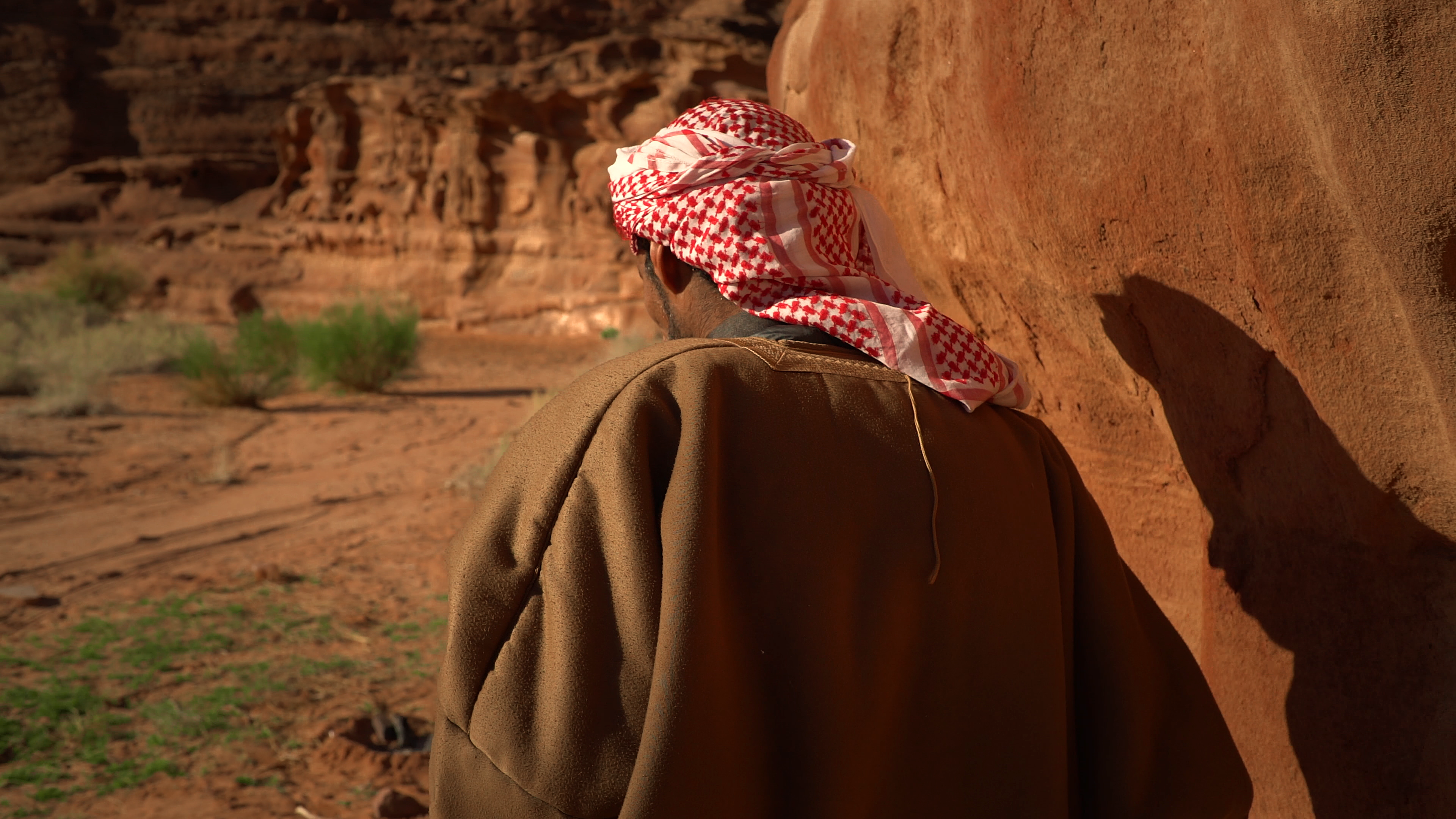
The vibration of machines echoes across the desert. Ever since Jordanian nomads settled in the spectacular landscape of Wadi Rum, they have grown dependent on complex water infrastructure. The source is right below their feet, yet they still struggle to meet basic needs. In the meantime, deep water extraction feeds private large-scale farms, animates visionary development and secures the growing urban population. Bedouins, farmers and city dwellers expect to have a fair share, but digging for ‘blue gold’ unleashes an environmental time bomb. Living Water tells the story of power, exploitation and changing ecological circumstances in one of the most water-poor countries in the world.
Downloads
Published
How to Cite
Issue
Section
License
Copyright (c) 2025 Pavel Borecký

This work is licensed under a Creative Commons Attribution-NonCommercial-NoDerivatives 4.0 International License.